🔹 📖 Lý Thuyết & Kiến Thức Nền Tảng
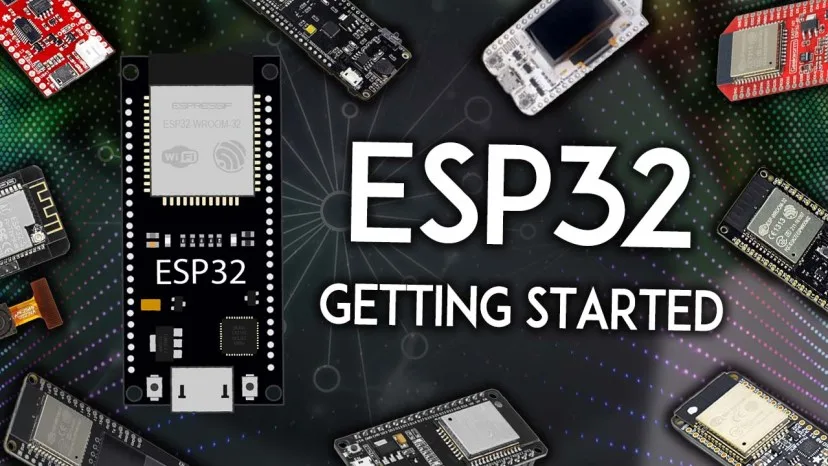
📌 Bài 1: Getting Started with the ESP32 Development Board
Updated 5 August 202
4
New to the ESP32? You’re in the right place. This guide contains all the information you need to get started with the ESP32. Learn what is an ESP32, how to select an ESP32 board, how to get your first program working, and much more. Here’s what we’ll cover in this guide:
Table of Contents
Introducing the ESP32
ESP32 Specifications
ESP32 vs ESP8266
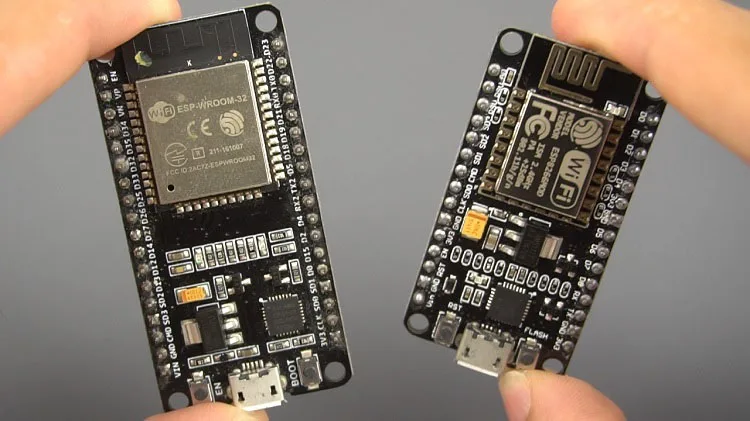
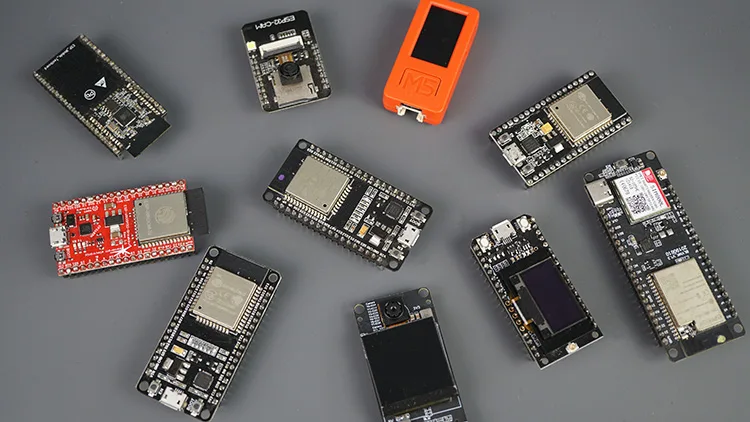
ESP32 Development Boards
How to choose an ESP32 development board?
What is the best ESP32 development board for beginners?
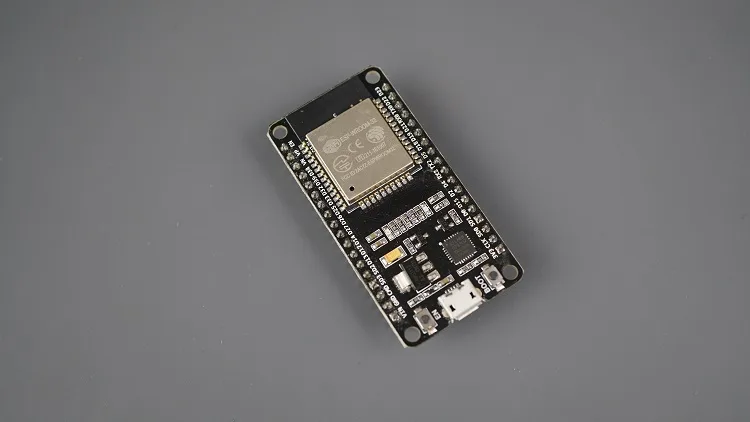
ESP32 DEVKIT DOIT
ESP32 GPIOs Pinout Guide
How to program the ESP32?
ESP32 with Arduino IDE
Introducing the ESP32
First, to get started,
what is an ESP32
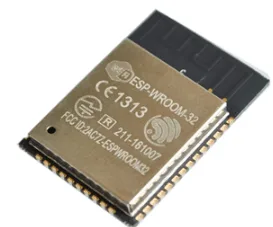
? The ESP32 is a series of chip microcontrollers developed by Espressif.
Why are they so popular? Mainly because of the following features:
Low-cost
: you can get an ESP32 starting at $6, which makes it easily accessible to the general public;
Low-power
: the ESP32 consumes very little power compared with other microcontrollers, and it supports low-power mode states like
deep sleep
to save power;
Wi-Fi capabilities
: the ESP32 can easily connect to a Wi-Fi network to connect to the internet (station mode), or create its own Wi-Fi wireless network (
access point mode
) so other devices can connect to it—this is essential for IoT and Home Automation projects—you can have multiple devices communicating with each other using their Wi-Fi capabilities;
Bluetooth
: the ESP32 supports
Bluetooth classic
and
Bluetooth Low Energy (BLE)
—which is useful for a wide variety of IoT applications;
Dual-core
: most ESP32 are dual-core— they come with 2 Xtensa 32-bit LX6 microprocessors: core 0 and core 1.
Rich peripheral input/output interface
—the ESP32 supports a wide variety of input (read data from the outside world) and output (to send commands/signals to the outside world) peripherals like
capacitive touch
,
ADCs
, DACs, UART,
SPI
,
I2C
,
PWM